Neck Pain and how to treat it
Maybe you wake up stiff, or by mid-afternoon your neck aches from hours at the computer. Maybe it started after a car accident and never fully settled. Whatever the story, neck pain wears on you.
I'm Dr Stefan Cohen, founder of Innate Chiropractic in Albany, and chiropractic care for neck pain has been a big part of my work for 26 years. In this post, I'll explain what usually drives neck pain, how I assess it, what a treatment program looks like, and what progress to expect.
What is Neck Pain?
Neck pain is discomfort anywhere from the base of the skull to the tops of the shoulders. It might be a dull ache, a sharp pain when you turn your head, or stiffness that makes checking your blind spot while driving a chore. It's extremely common, and Mayo Clinic notes that poor posture — like leaning over a computer — is a frequent cause.
In my practice, I see it most in desk workers, people recovering from accidents, and people carrying a lot of stress. The key thing to understand is that neck pain is a symptom. The neck is often where the problem shows up, not where it starts — and my job is to find what's driving it.
If your neck pain comes with numbness, weakness, or pain shooting down an arm, or follows a serious injury, get it checked promptly.
Why Chiropractic Care Is One of The Best Treatments For Neck Pain
Good care starts with a thorough history. Were you in an accident? Do you sit at a computer all day? How is your setup? Your screen should be 18–24 inches away, with the top of the screen at eye level. (Harvard Health has more simple ergonomic tips.)
Next, I check posture — is your head tilted to one side or drifting forward? Range-of-motion tests show where turning your head is restricted or painful. Palpation finds tight, tender muscles, and orthopedic muscle testing tells me whether the flexors, lateral flexors, extensors, and rotators are engaging properly.
Often the answer is lower down. When the pelvis tucks under, sitting or standing, the neck follows and the head moves forward. Sitting on your sitting bones is key, as is standing with your weight on your heels, so that looking down you can see your feet up to your ankles. Because every neck is different, treatment has to be tailored to what your exam shows — not a one-size-fits-all routine.
What Does Chiropractic Care Do For Neck Pain?
A personalized plan at Innate Chiropractic can help:
- Restore normal muscle firing patterns so tight muscles stop overworking
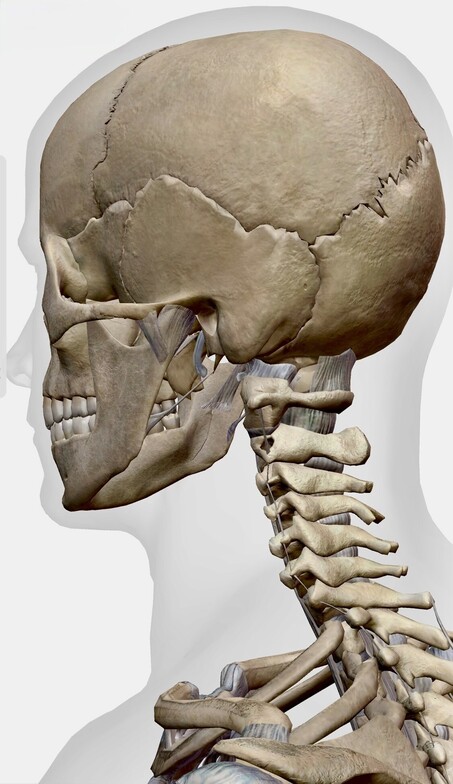
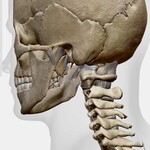
- Gently realign the cervical spine — no twisting or cracking
- Improve range of motion when you turn, tilt, or look down
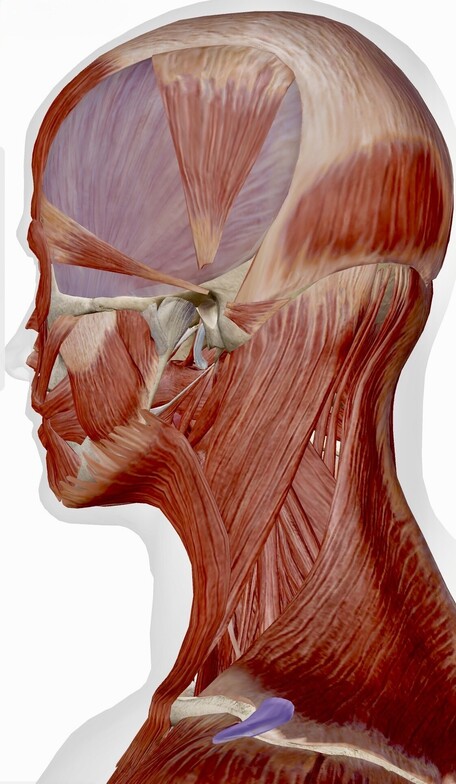
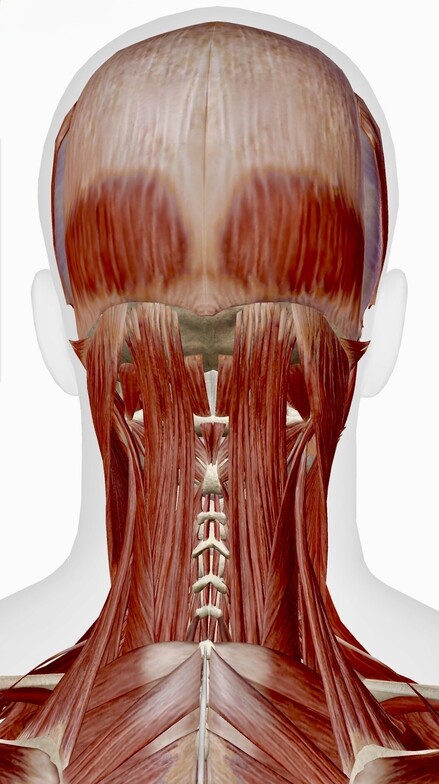
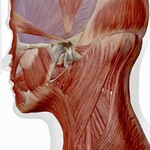
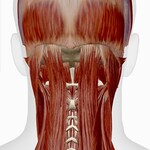
- Release tight, sore muscles and trigger points, especially in the upper traps
- Correct posture and workstation habits so the pain is less likely to return
Learn more about our approach to neck pain treatment in Albany.
What a Chiropractic Program for Neck Pain Might Include:
Continue Reading Below Too See How I Approach A Treatment
1. Resetting Muscle Firing With PDTR
Proprioceptive Deep Tendon Reflex Technique
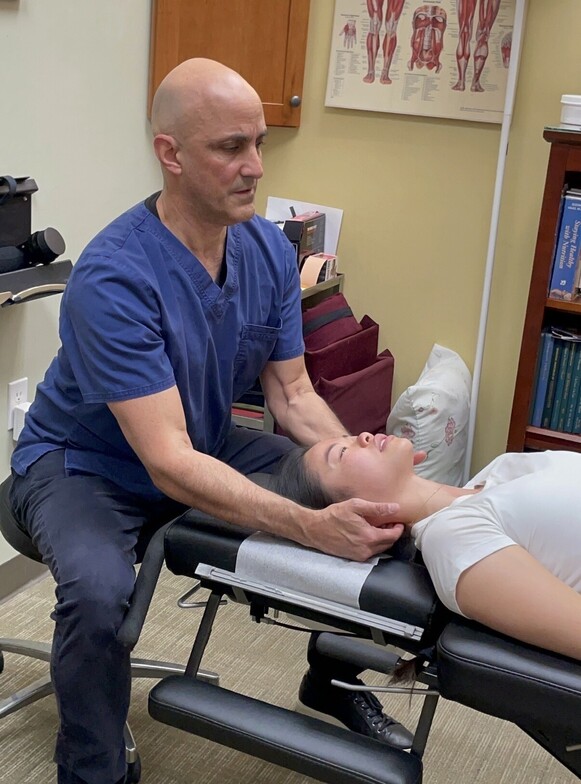
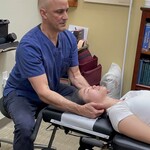
I use Proprioceptive Deep Tendon Reflex technique (PDTR), a functional neurology approach. Your brain constantly receives information from receptors in your joints, ligaments, tendons, muscles, and fascia, and uses it to decide which muscles should work harder (hypertonic) or ease off (hypotonic). When that feedback is off, muscles fire incorrectly. With PDTR, I test specific head and neck positions — right rotation, for example — find where the pain or movement signals are faulty, and clear that improper input, often quickly.
2. Gentle, Safe Adjustments With The Activator Tool
Once muscle firing is normalized, I correct misalignments using an Activator, a spring-loaded instrument, on its lowest force setting. I pair it with Quick Release Technique, an osteopathic-style approach: I position the neck to shorten the muscle pulling the vertebra out of place, then stimulate that muscle's origin and insertion so it relaxes and resets. This lets the vertebra settle back into alignment without force.
3. Releasing Tight Muscle & Fascia
Only after alignment and firing patterns are corrected do I work on tight tissue. Otherwise, stretching feels good for about 20 minutes before the muscle rebounds and the tightness returns. Depending on what you need, I may use cupping, fascial scraping, Active Release Technique (ART), an electronic Rapid Release tool, or shockwave therapy to break up scar tissue, adhesions, and trigger points. Kinesiology tape (I like RockTape) can then support the correction between visits and encourage circulation and lymph drainage — and you can wear it in the shower or pool.
4. When Stress Is Part Of The Picture
NET Can Help
There's a reason we call something a "pain in the neck" or say we're carrying "a weight on our shoulders." Stress often shows up as tension in the neck and shoulders. When I see that pattern, I may add Neuro Emotional Technique (NET) to assess and address it.
Managing Expectations:
Progress Takes Time
Many patients notice their head turns more easily, or the pain eases, within the first few visits. Lasting change usually takes longer. Muscles that have fired incorrectly for months or years need repetition to hold new patterns, and your daily habits — how you sit, where your screen is, how you handle stress — keep shaping your neck between appointments.
Early on, we focus on calming pain and restoring movement. Later, the goal shifts to stability: fewer flare-ups, better posture, and knowing what to do when your neck starts to complain. Small setbacks along the way are normal and don't mean care isn't working.
Ready To Take The Next Step?
Living with neck pain is exhausting, especially if you've tried stretching or massage and the tightness keeps coming back. You don't have to keep guessing. At Innate Chiropractic in Albany, I look at the whole picture — your spine, your muscles, your workstation, and what's going on in your life — to find what's driving your pain.
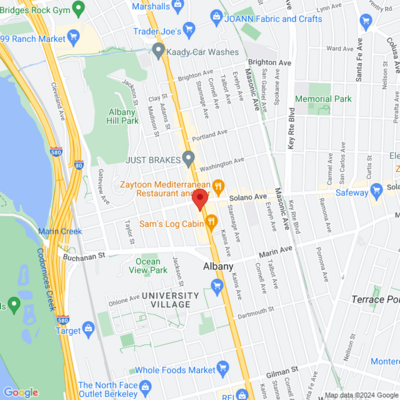
Read more about our chiropractic care for neck pain, or book your appointment online today. You'll find us at 916A San Pablo Ave in Albany (Google Maps), or call (510) 528-5216.