
Case Study: How P-DTR Finds the Blown "Circuit Breakers" Behind Runner's High-Frequency Hip Pain
Imagine a stadium with flickering or blown lights. Many practitioners immediately climb the light poles to change the bulbs. However, if there is a short circuit in the electrical panel, those new bulbs will quickly burn out again. In the human body, muscles and joints are the lightbulbs, but the nervous system is the circuit breaker.
Through Proprioceptive Deep Tendon Reflex (P-DTR) therapy, we locate and reset the corrupted neurological "switches" that cause muscles to misfire, ultimately leading to joint dysfunction and chronic pain.
Here is a look at a recent case study involving a long-distance runner that perfectly illustrates this fascinating, whole-body neurological connection.
The Presenting Case: A Runner Stuck in Neutral
A long-distance runner came to see me complaining of a two-month history of chronic pain, stiffness, tightness, and a sensation of "heaviness" in her right outer hip and thigh. Crucially, her intake also revealed a recent minor trauma: she had banged her right inner knee.
When I conducted a comprehensive manual muscle facilitation assessment of her right hip and leg, the neurological disorganization became immediately clear:
Hypertonic (Over-firing): Sartorius and Soleus (deep calf).
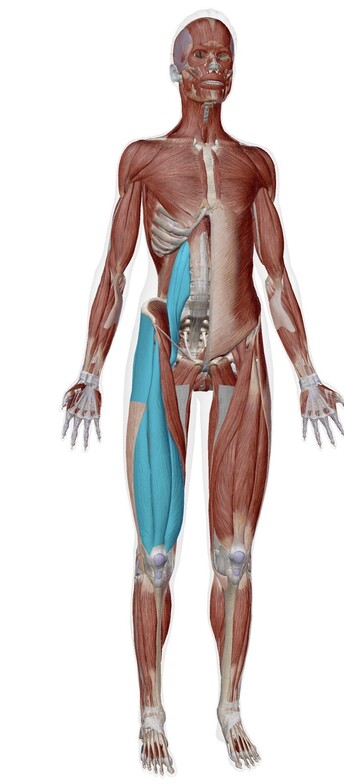
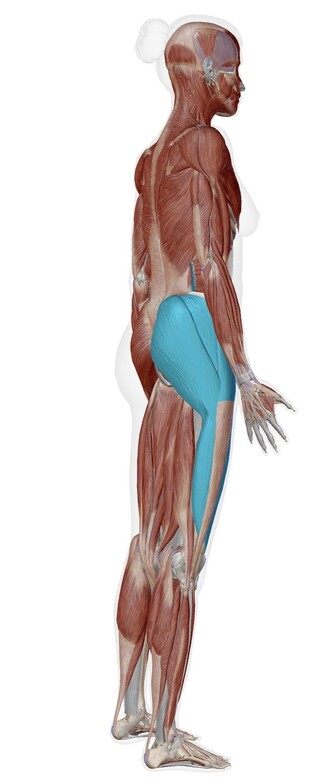
Hypotonic (Under-firing/Weak): Tensor Fasciae Latae (TFL), Quadriceps, Psoas, Gluteus Medius, and Gluteus Maximus.
Her brain was receiving corrupted sensory data from elsewhere in the body. To protect the system, the central nervous system responded by over-recruiting certain muscles while shutting down the primary movers of her hip.
Hunting for the Corrupted Switches
Using P-DTR, I mapped out the global aberrant signals that were holding these specific dysfunctions in place. The results perfectly demonstrate why treating just the site of pain so often fails.
Circuit 1: Resolving the Weak TFL
To fix the inhibited right TFL, I traced the primary neurological insult away from the hip entirely.
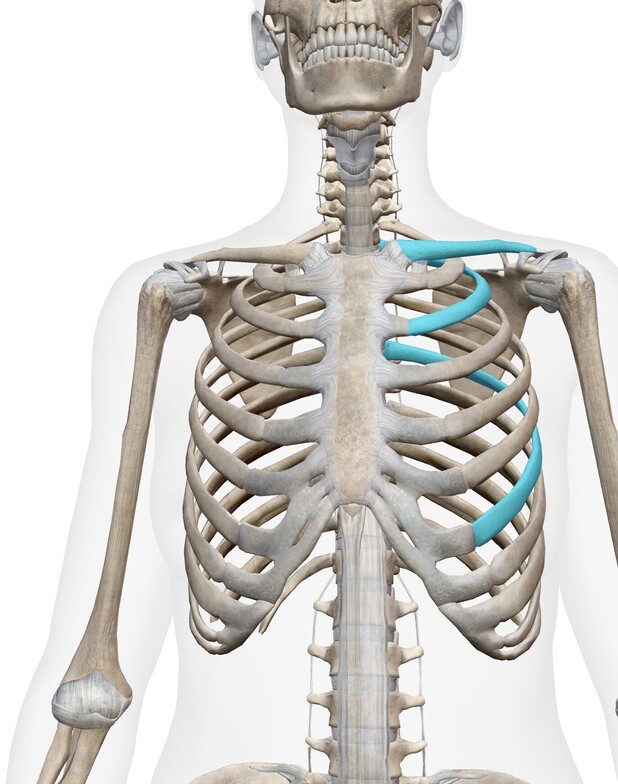
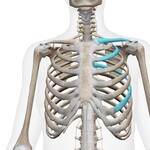
The Receptors: I located an over-active Neospinothalamic pain receptor at the left T2 sternocostal junction (the front of the chest where the rib meets the breastbone).
The Neurological Pair: In P-DTR, aberrant signals operate in pairs. This chest receptor was neurologically paired with an interosseous compression receptor in the left clavicle (collarbone).
The Stimulus: This fast-conducting pain pathway was activated using a precise, gentle pinpoint stimulus (resembling the tip of a toothpick). Once this chest-and-collarbone circuit was reset, the right TFL instantly regained its neurological strength.
Circuit 2: Resetting the Hip and Leg Complex
The remaining weak and overactive muscles (Sartorius, Soleus, Quads, Psoas, and Glutes) were all tied to a second, highly unique sensory loop:
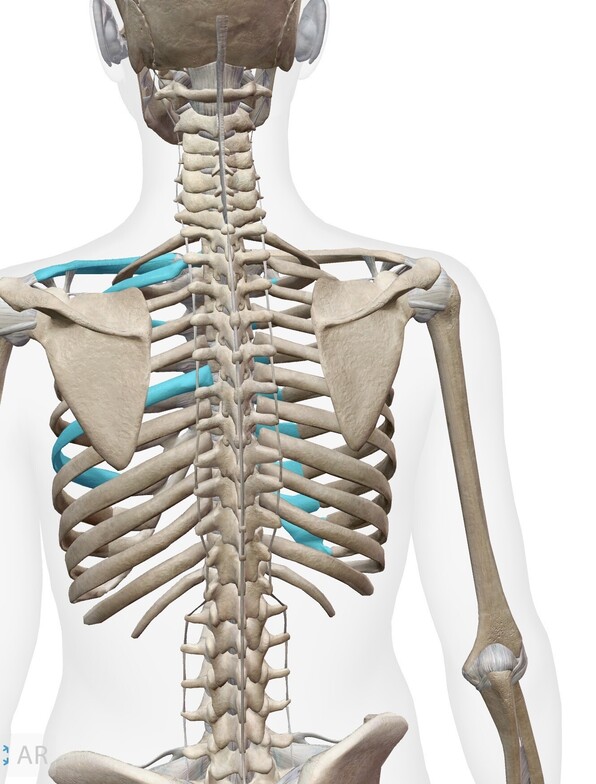
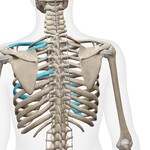
The Receptors: I identified a Spinotectal receptor at the left T5 mid-scapular posterior rib. This specialized receptor acts as an acoustic-vibrational pain detector within the spinotectal pathway—the system responsible for automatically directing your head and eyes toward a sudden threat or injury.
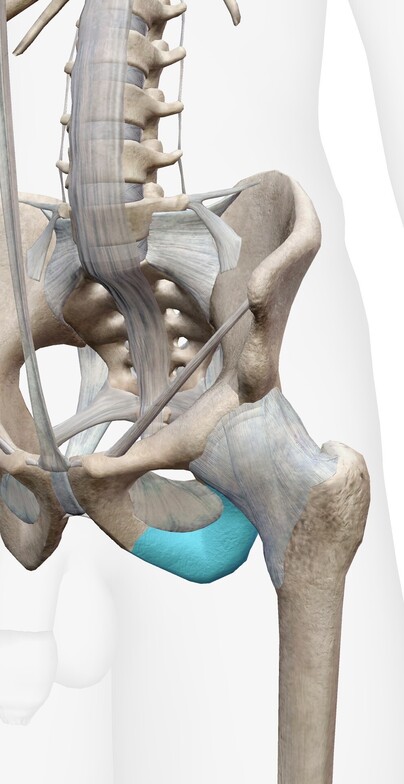
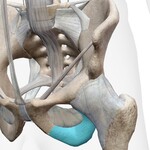
The Neurological Pair: This mid-back receptor was paired with a deep compression receptor of the ligamentum teres (the ligament inside the right hip socket on the femoral head).
The Stimulus: This pathway reacts directly to localized sound and vibration waves. By pairing the vibrational back receptor with the compressed hip joint receptor, the brain's survival software was fundamentally confused.
The Mechanics of the Neuro-Pair
In P-DTR, we recognize that the brain operates on a system of priorities. When the body experiences a trauma—like this runner banging her knee—the brain often creates a "Primary" dysfunctional receptor to guard the area. To keep you moving, it compensates by pairing it with a "Secondary" receptor elsewhere. This creates a global software glitch. The brain becomes trapped in a continuous loop of defensive muscle guarding, swapping normal movement for survival strategies until a practitioner manually introduces a counter-stimulus to reset the circuit breaker.
The Takeaway: Treat the Signal, Not Just the Symptom
By pinpointing and clearing these distant, misfiring receptor pairs, we eliminated the short circuit. The brain stopped receiving the "danger" signals that were forcing the right leg into a defensive, dysfunctional pattern. Instantly, the weak muscles fired back up, the hypertonic muscles relaxed, and the mechanical strain on her right hip was lifted.
It is endlessly fascinating how an old bump to the knee or a hidden compression in the collarbone can completely dictate how a runner's hip behaves. Before you spend months stretching a "tight" muscle or rubbing a sore joint, ask yourself: Are you fixing the lightbulb, or have you checked the circuit breaker?
Stop Chasing Symptoms
If you are a runner dealing with a chronic "tightness" that stretching just won't fix, your body might simply be stuck in a protective neurological loop. Stop treating the smoke and start looking for the fire.