ART is the Gold Standard for soft tissue release
Dr Cohen is Full Body Certified
Overused muscle and other soft tissue injuries can result in scar tissue and restrictions in motion, and compression of nerves or blood vessels. These altered textures can be diagnosed and treated, often very efficiently by an ART provider.
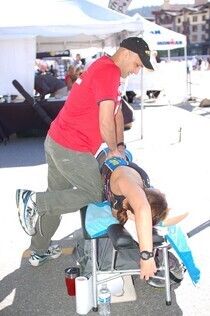
The ART provider uses hands on treatment and specific patient motion to treat the problem. Many chronic problems clear up quickly with ART when the proper diagnosis and treatment are applied.
ART is very useful for athletes, work and auto injuries, anyone working at computers, gardeners, chefs…in short, just about everyone!
Dr Cohen studied directly under the tutelege of Dr Leahy through his ART Masters program.
How an ART Session Works
Dr. Cohen first evaluates the texture, tightness, and movement of the affected muscles, tendons, or fascia to pinpoint exactly where restrictions have formed. He then applies hands-on tension to that tissue while you actively move the area through a specific motion. Many chronic problems respond quickly once the right tissue is identified and treated with proper technique — a big part of why accurate diagnosis matters as much as the hands-on work itself.
Who ART Helps:
ART is useful for a wide range of people — not just athletes. Dr. Cohen regularly treats:
- Athletes recovering from overuse or sports injuries
- Desk and computer workers with repetitive strain patterns
- Gardeners, chefs, and tradespeople with hands-on, repetitive-motion jobs
- Anyone recovering from a work or auto injury
Symptoms ART Can Help:
- Swimmer’s shoulder
- Frozen shoulder
- Tennis & Golfers elbow
- Trigger finger
- Carpal Tunnel Syndrome
- Wrist & hand weakness & pain
- Sciatica
- Plantar Fascitis
- Knee & ankle pain
- Cumulative trauma disorders
- Peripheral nerve entrapments
- Muscle & ligament tears
How an ART Session Works
Dr. Cohen first evaluates the texture, tightness, and movement of the affected muscles, tendons, or fascia to pinpoint exactly where restrictions have formed. He then applies hands-on tension to that tissue while you actively move the area through a specific motion. Many chronic problems respond quickly once the right tissue is identified and treated with proper technique — a big part of why accurate diagnosis matters as much as the hands-on work itself.
Frequently Asked Questions about ART
ART involves firm, targeted pressure on the affected tissue while you move through specific motions. It can feel intense in the moment, especially over an area with significant scar tissue, but most patients tolerate it well and feel noticeably looser afterward.
Massage is generally passive and focuses on general relaxation or circulation. ART is an active, diagnostic technique — the practitioner applies precise tension to a specific tissue while the patient actively moves, which is what breaks up adhesions and restores motion more directly than passive soft tissue work.
This depends on how long the issue has been present and how much scar tissue or restriction has built up. Some acute issues improve within a few sessions; longer-standing problems may take a series of visits.
No. While ART is popular with athletes, it's equally effective for desk workers, tradespeople, and anyone with repetitive strain, an old injury, or a chronic movement restriction.
Yes. ART is often used to treat nerve entrapments caused by surrounding soft tissue restrictions, which can relieve numbness, tingling, or weakness tied to compression.
Some discomfort during treatment is common, especially in areas with significant restriction, but it should not be sharp or unbearable. Dr. Cohen adjusts pressure based on what each patient can tolerate. Some patients report discomfort for 24-72 hours following an ART session. This is not common, but if it occurs, it will resolve and you will then most likely feel better!
Yes. ART is classified as myofascial release therapy and billed under the insurance code 97140.
Book a consultation with Dr. Cohen to have the affected area evaluated and discuss whether ART, PDTR, or another technique is the right fit for your specific issue.
Ready to Try ART?